
january 2026
A Brief Plea for Thoughtful Renovations
Everything does not need to be brand spanking new.
We’ve all seen it: a once historic, character-rich home falls into the hands of a developer, an uninitiated homeowner, or - gasp! - a designer who can’t (or won’t) see the value in thinking critically about what’s worth saving. The easy route wins: anything with a whisper of character or in need of a little extra care is stripped away, replaced with an indiscriminate white wash until the house becomes a hollow version of itself.
Cue the greatest hits: extra-wide “farmhouse” engineered floors (assuming the budget stretches beyond so-called “luxury” vinyl plank), lumpy wall textures meant to disguise poor construction quality, oversized floor tiles slapped onto any surface they’ll adhere to (countertops, walls -- nothing is safe!), and arches inserted without a shred of architectural logic. The list goes on. And don’t get me started on the notion that leaving a rustic relic in the form of a single ratty exposed beam somehow counts as “preserving character.”
In a world obsessed with what’s newest, fastest, and most “updated,” choosing to work with what already exists can feel almost renegade. Sometimes the most thoughtful design move isn’t removing something; it’s recognizing what deserves to stay.
A recent and very public example is the Home Alone house: a 1921 Georgian Revival home that underwent a comprehensive renovation and expansion in 2018 before hitting the market again last year. I understand that rich colors and patterned wallpaper of the 1990s aren’t for everyone, and of course, needs have changed since 1921. But removing original woodwork, fireplaces, flooring, and architectural details—elements that are increasingly difficult to find or reproduce—feels lazy and reckless. Sure, it takes more time and money to work around some elements and take a surgical approach to renovations, but, in this instance, as in so many, budget was not an issue. Choices were made.
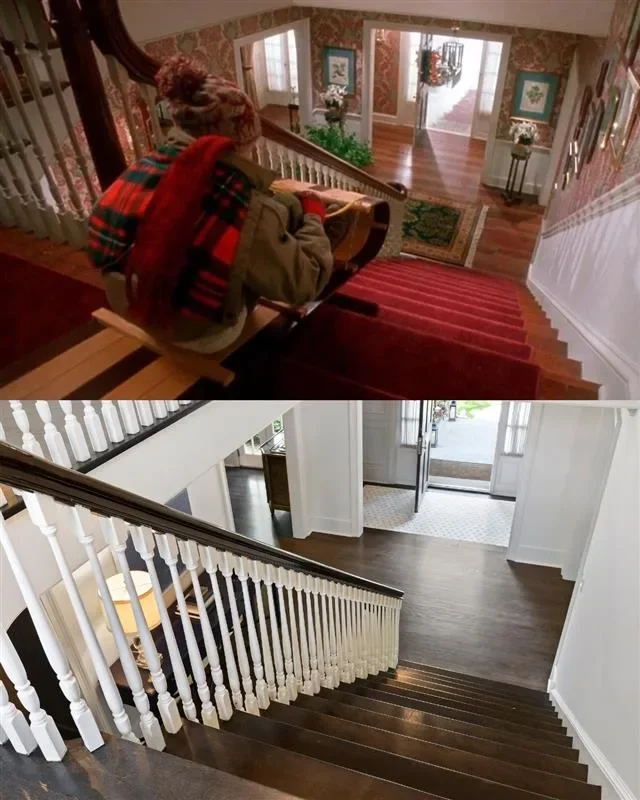
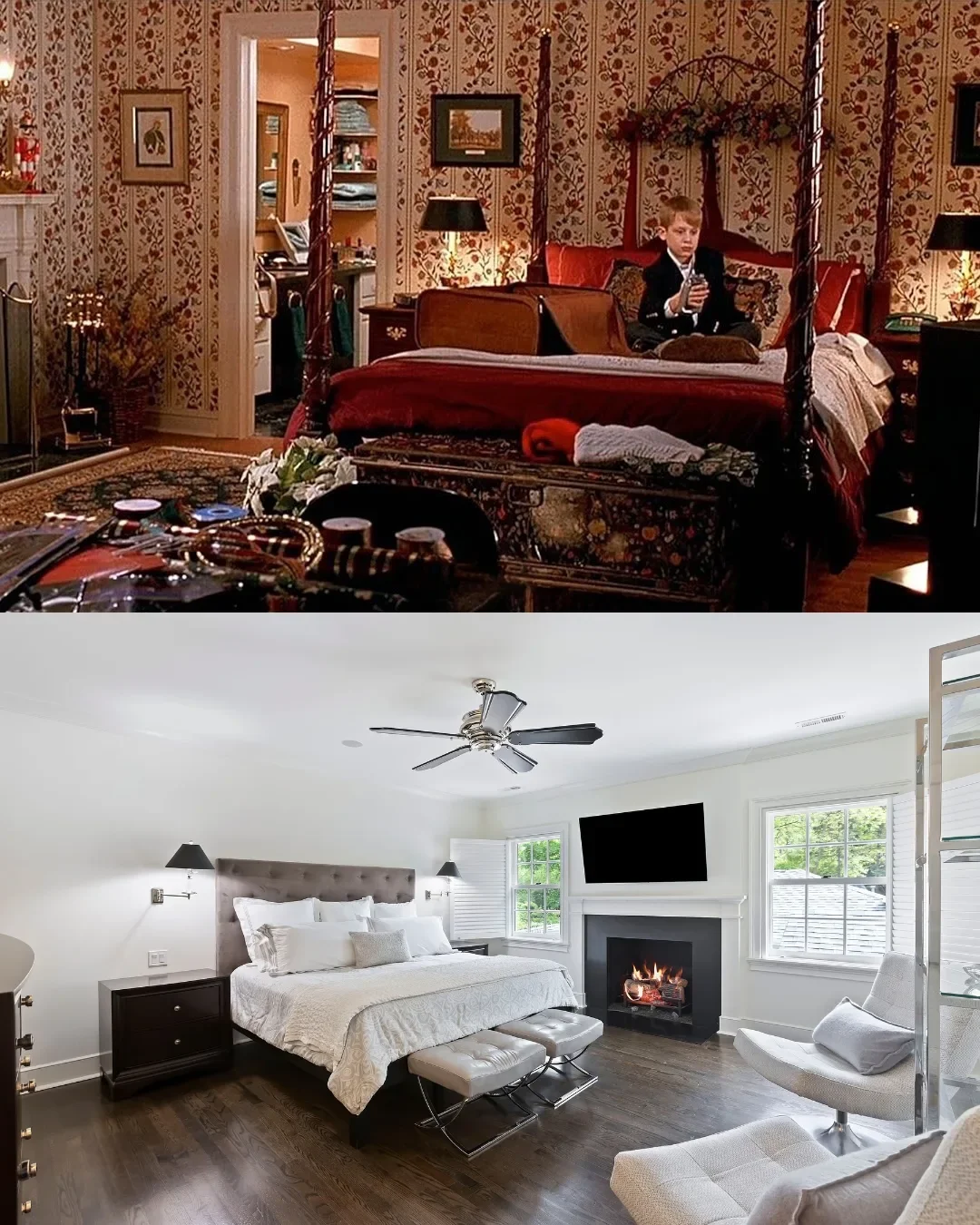
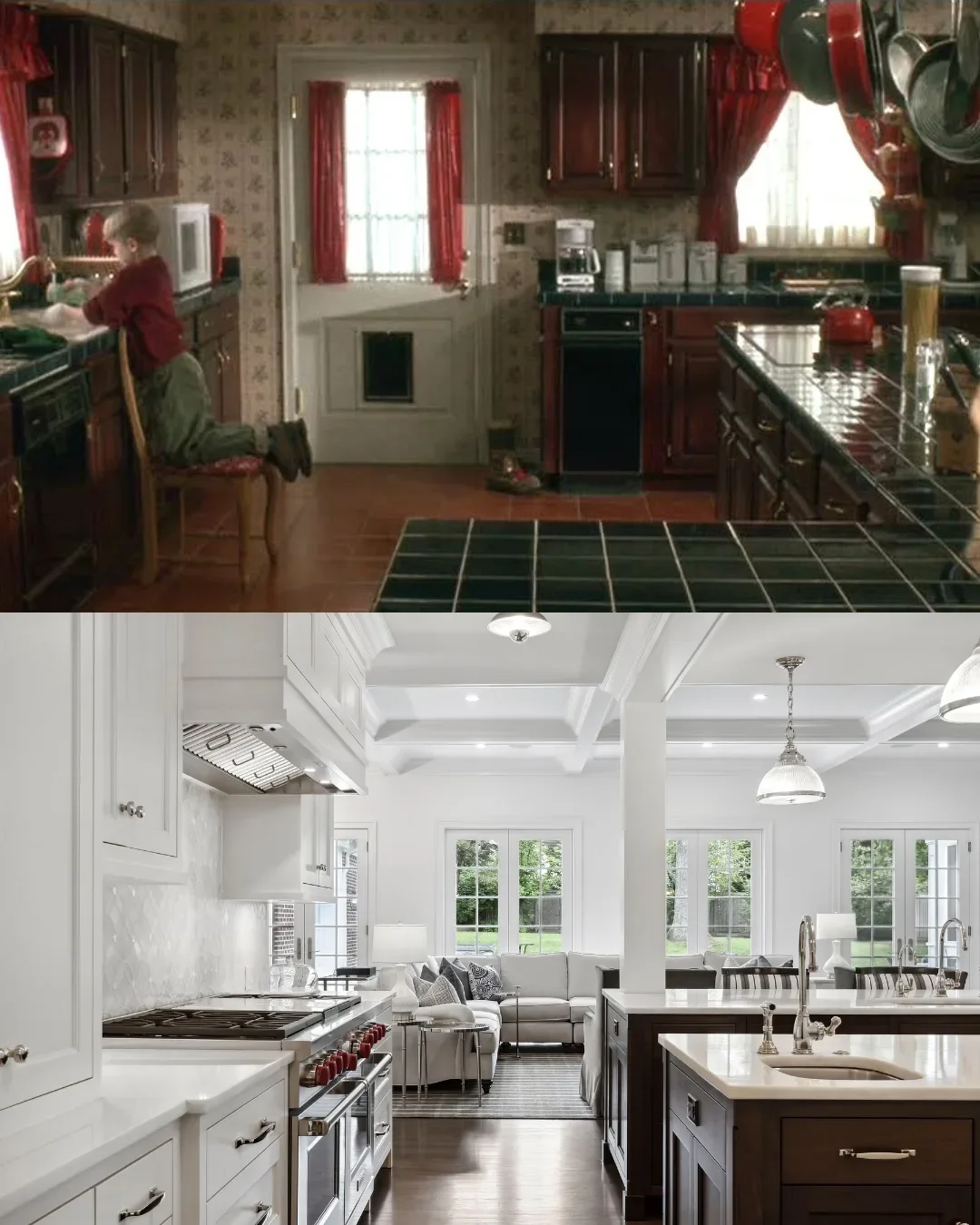
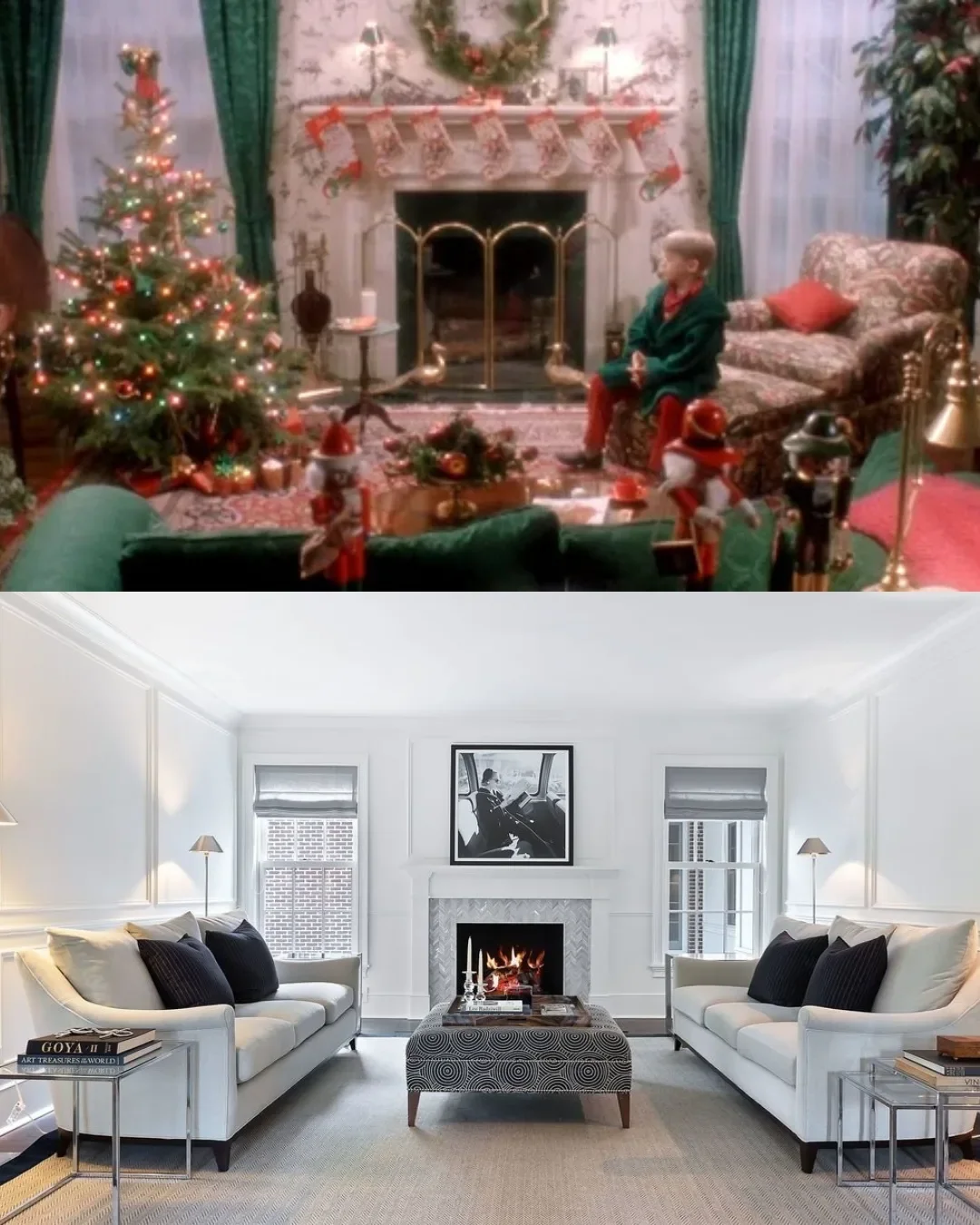
The good news? The new owners reportedly plan to bring some warmth and magic back into the home. I’ll stay tuned on that!
Preservation honors a building’s bones while allowing it to evolve, rather than freezing it in time. In interior design, historic preservation does more than protect beauty; it safeguards the cultural identity and stories woven into a community. From rafters to flooring, architectural details reflect the craftsmanship and values of their era. To remain relevant, these spaces must also meet modern demands, including safety, accessibility, and efficient systems. Adaptive reuse bridges that gap, maintaining authenticity while supporting contemporary life.
To be clear, I’m not arguing that everything old is good or worth saving. But too many homes today are treated primarily as financial assets, designed for resale rather than for living. When design decisions are driven by future profit instead of present life, the result is often disposable interiors stripped of meaning and depth.
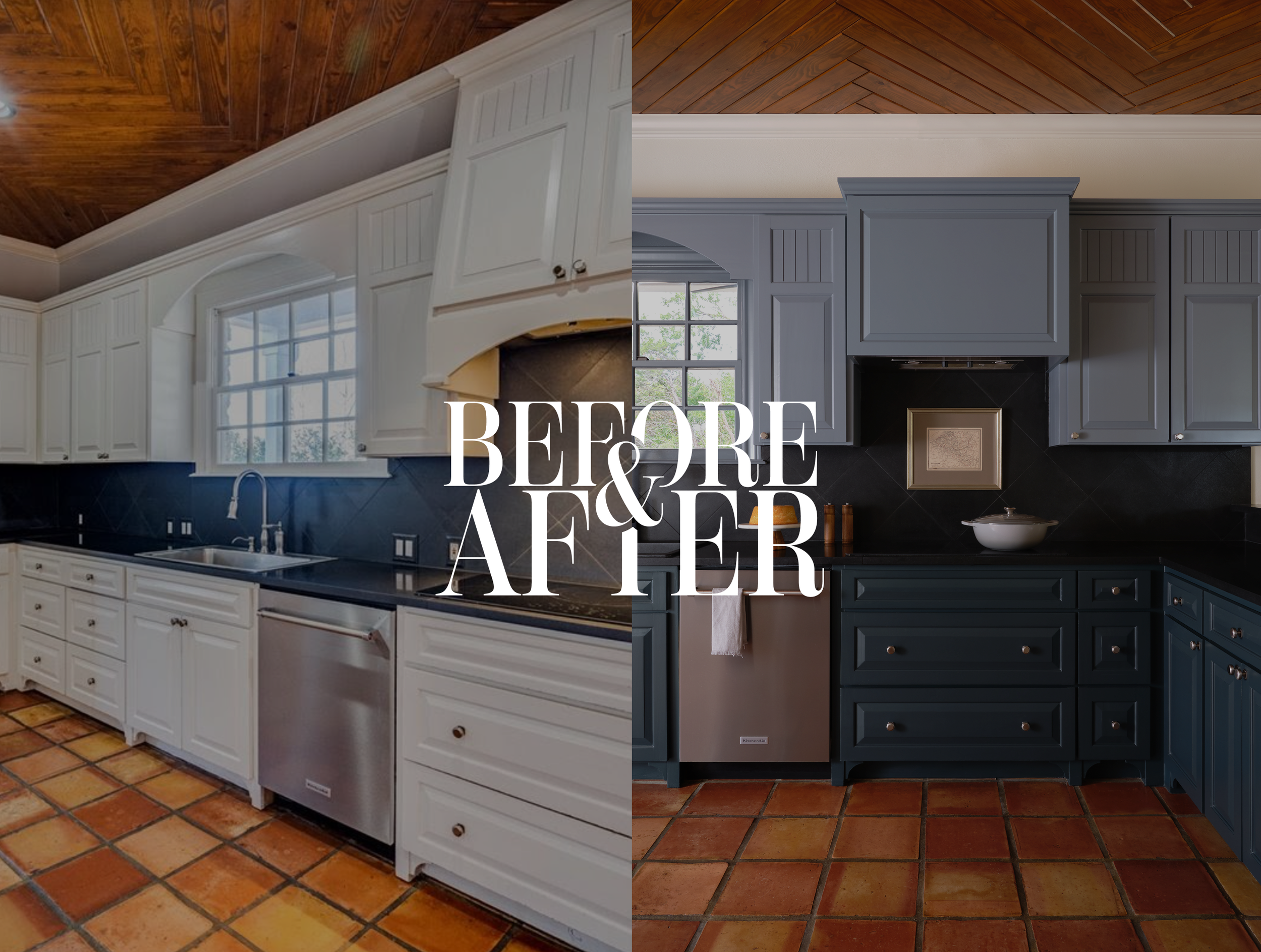
Creativity lies in understanding how to determine what to keep and what to change. Most of the houses we work on start out as stylistic mishmashes in the middle of identity crises. Our mission is to unify disparate elements into a cohesive vision that reflect the clients’ sensibilities while respecting the architectural features we value. In some areas, that means introducing new detail to add more appropriate character; in others, it requires restraint—softening or refining what already exists. Every decision balances aesthetics with function, ensuring the homes work for the people inhabiting them, and are still appropriate for the original intended style of the homes.
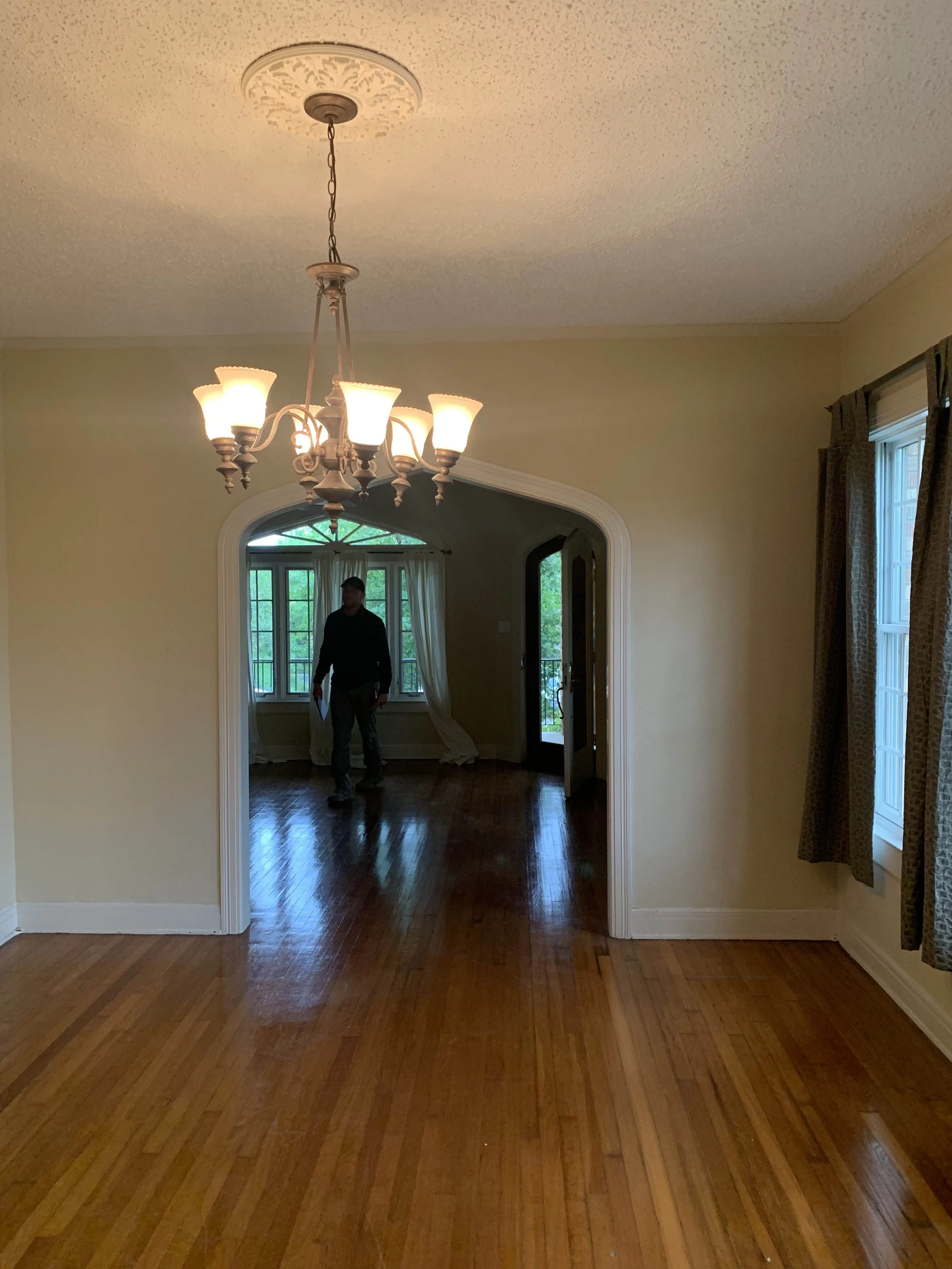
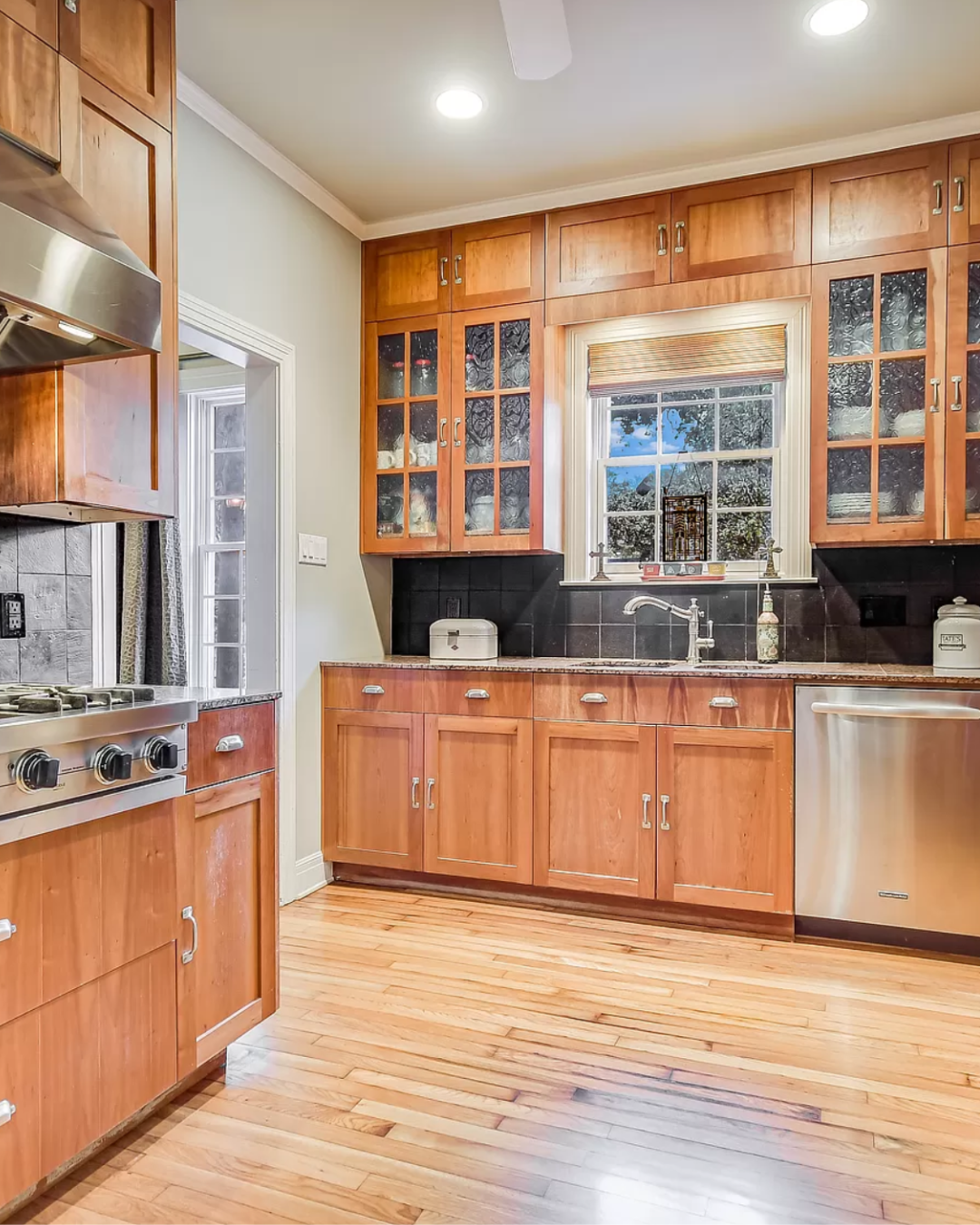

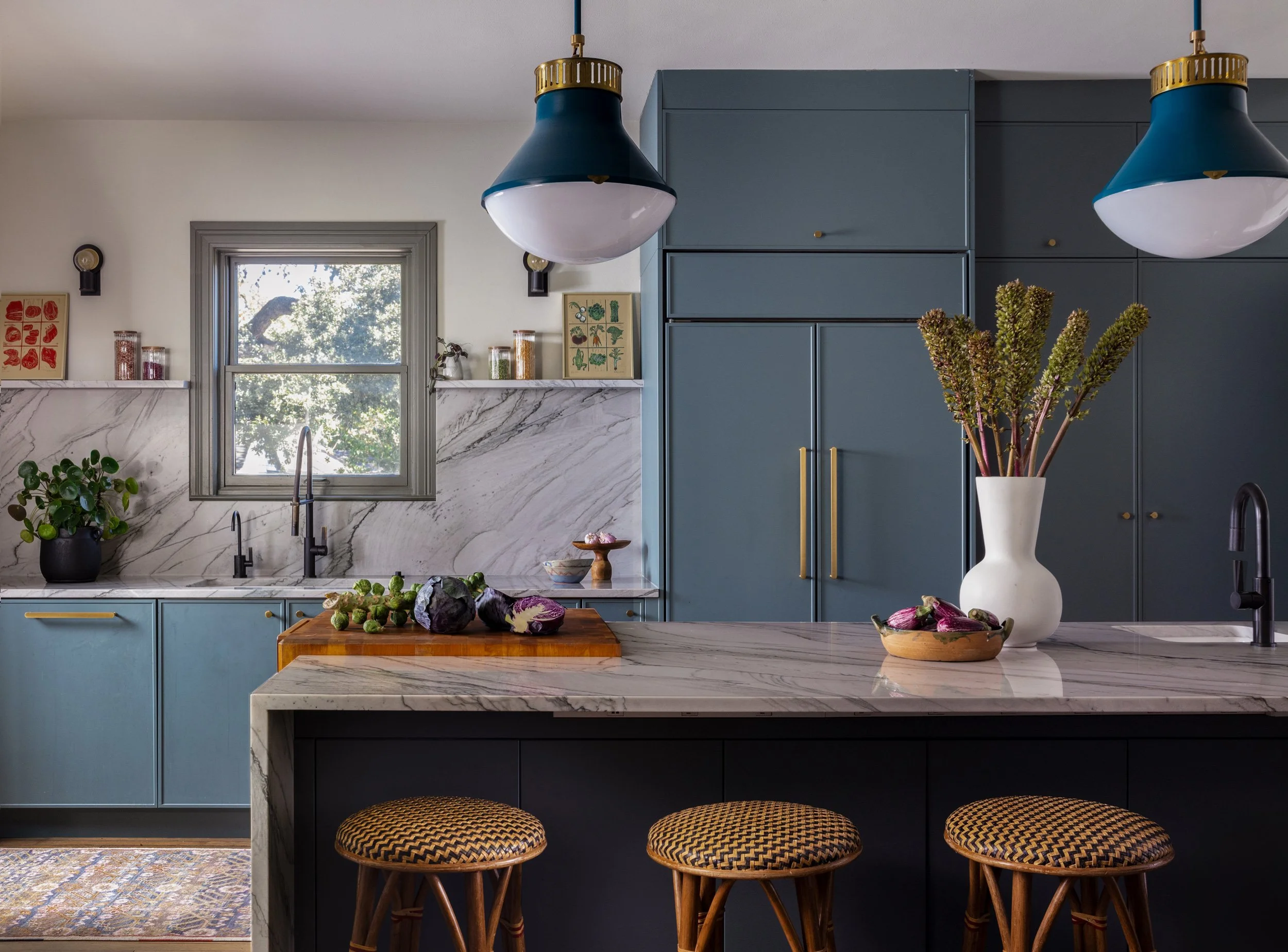
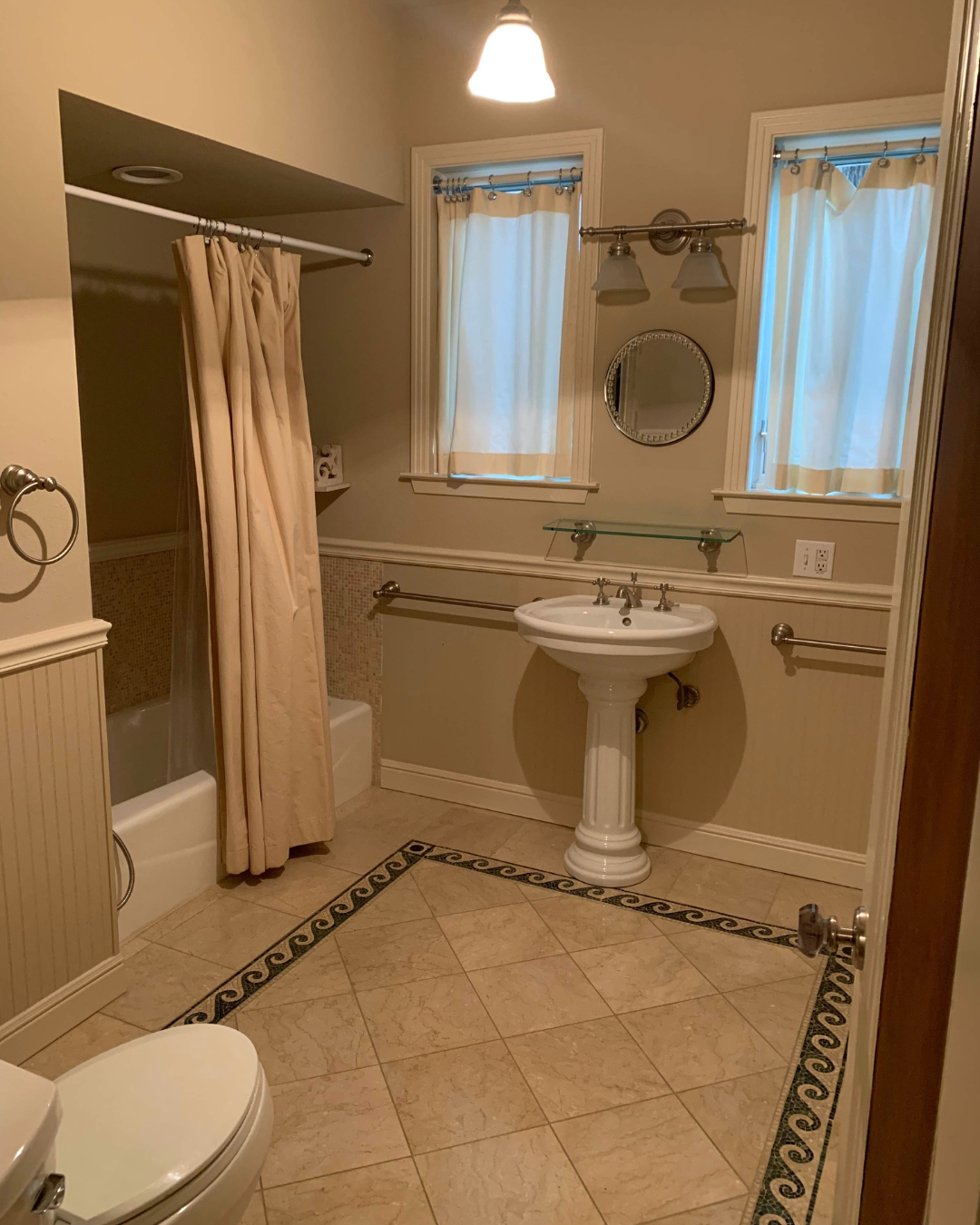
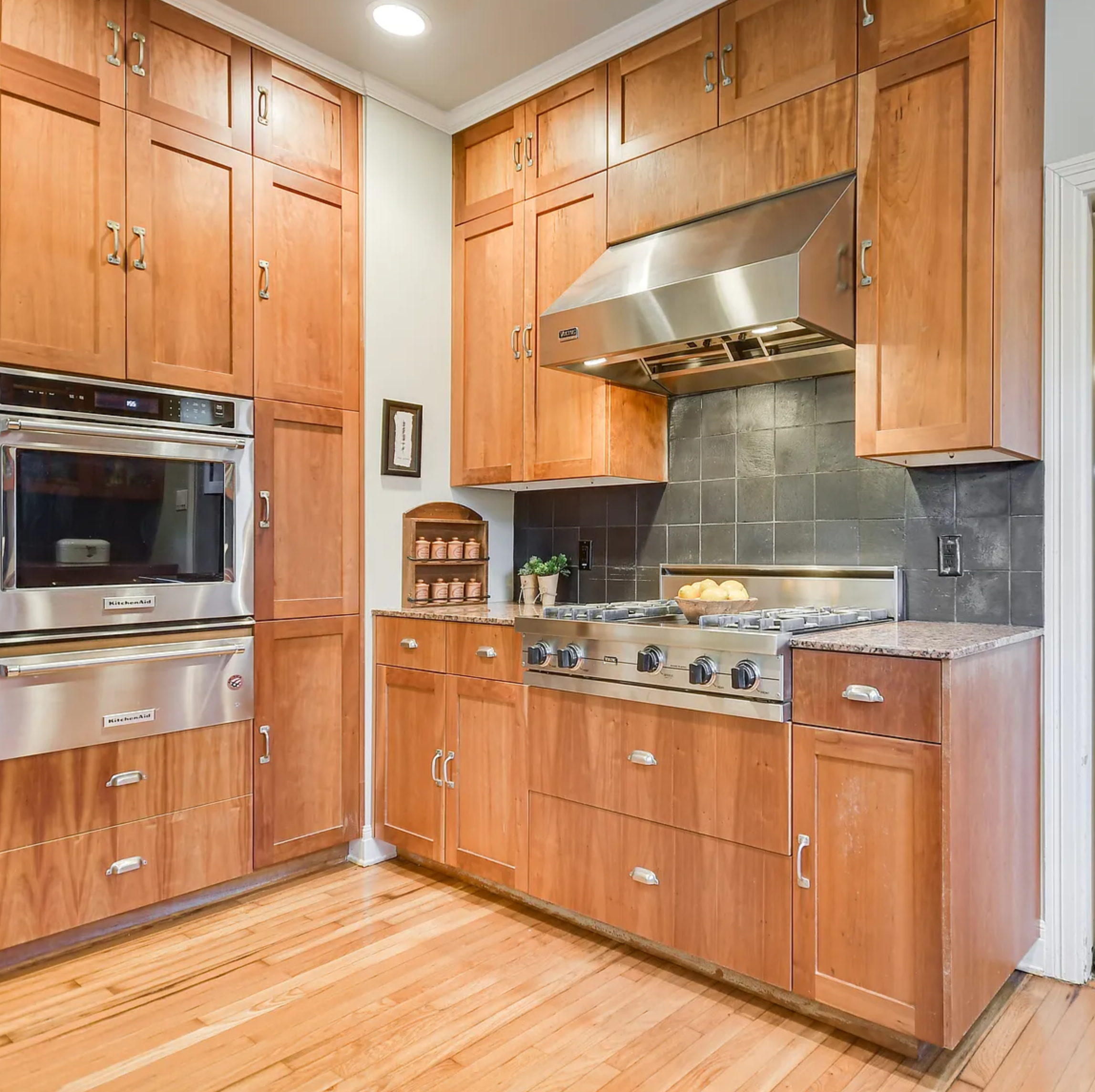
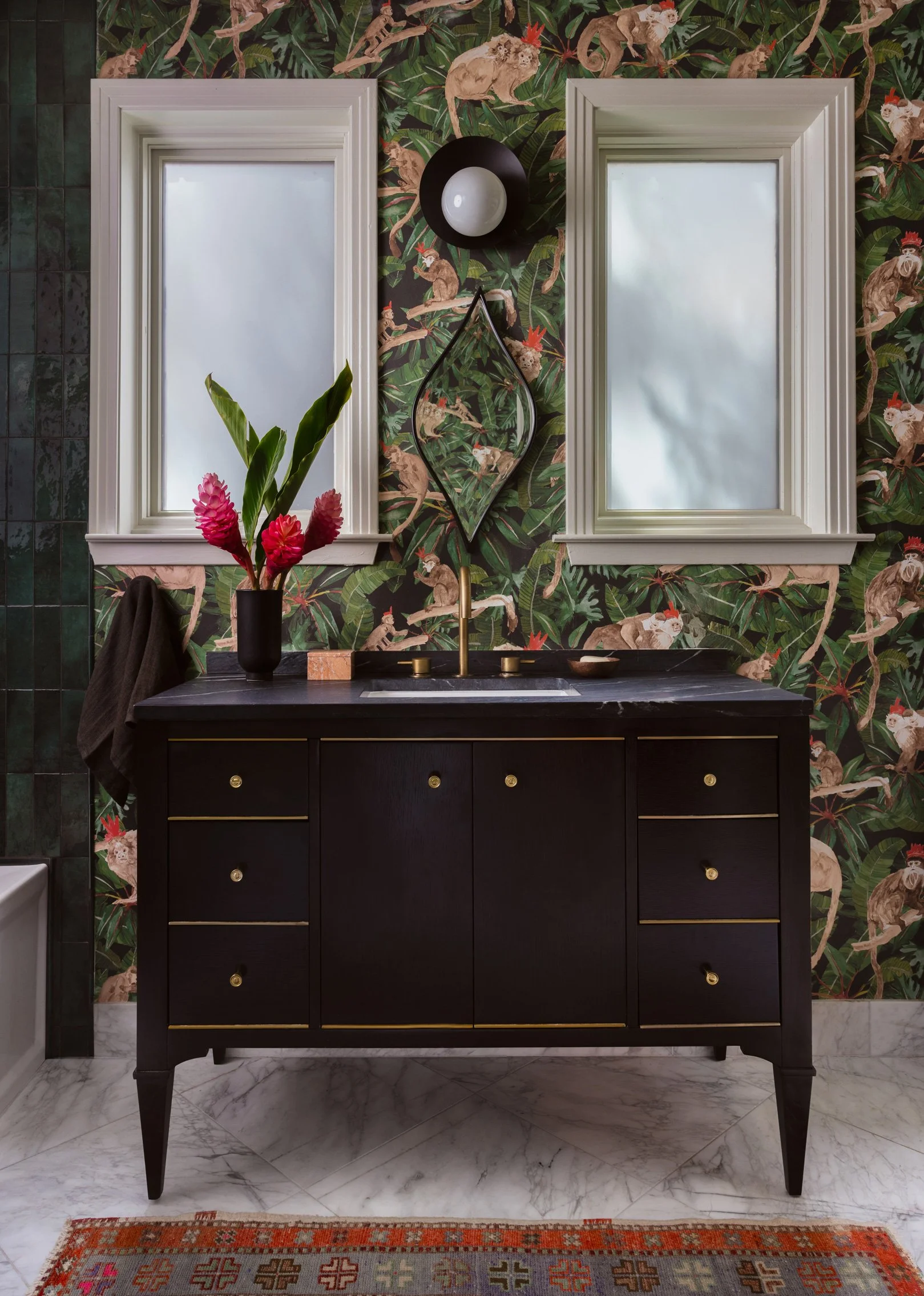

Before + After — Alta Vista — See Full Project
The interplay of thoughtful adjustments punctuated by bold gestures creates balance. The “wow” moments define our approach, but they’re grounded in livability. The result reflects the clients’ style while enriching their daily experience.
The outcome—that oft-overused term—is timeless design. When I walk into a project we completed years ago and it still feels comfortable, sophisticated, and current, I know we got it right.
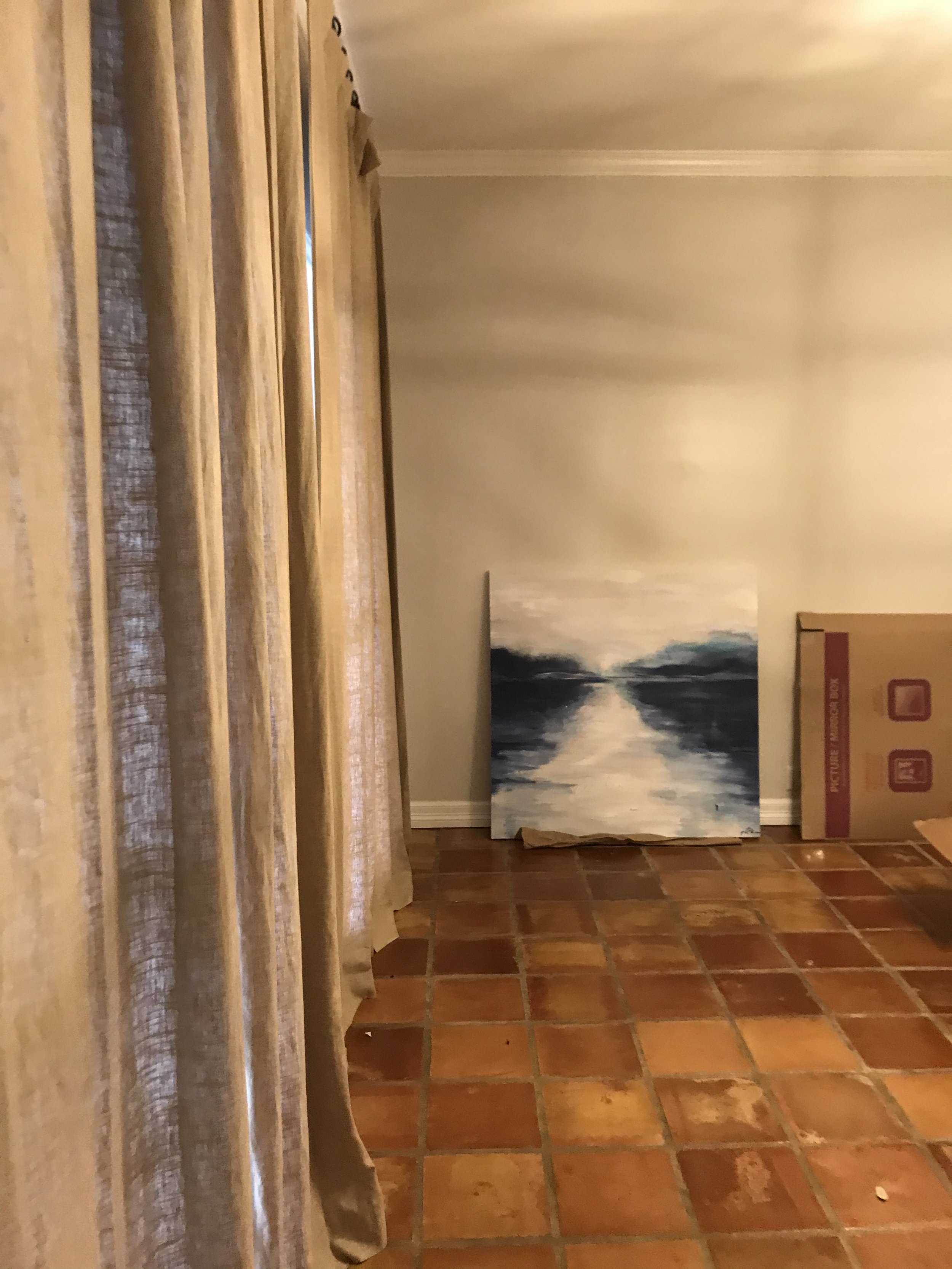
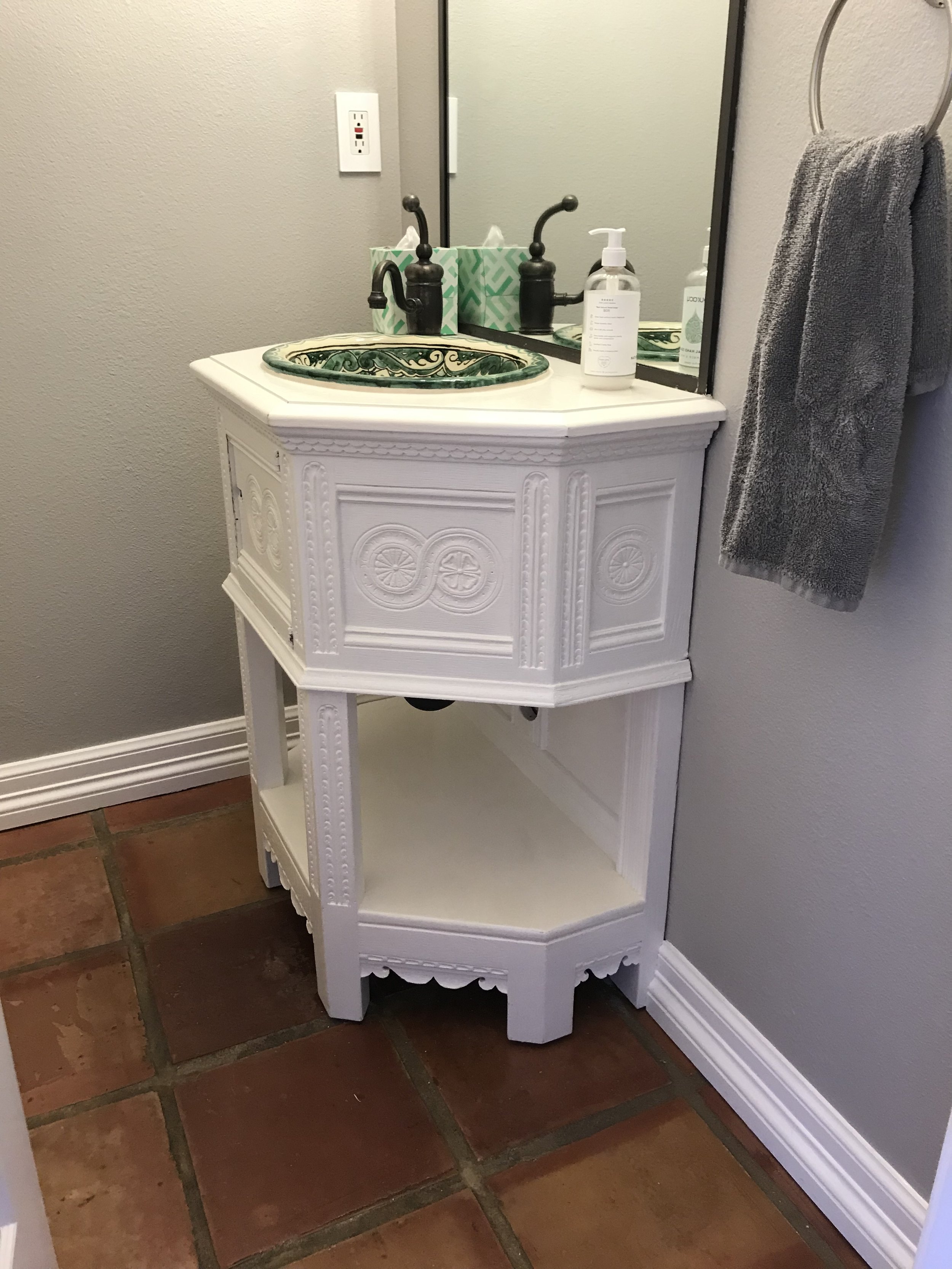


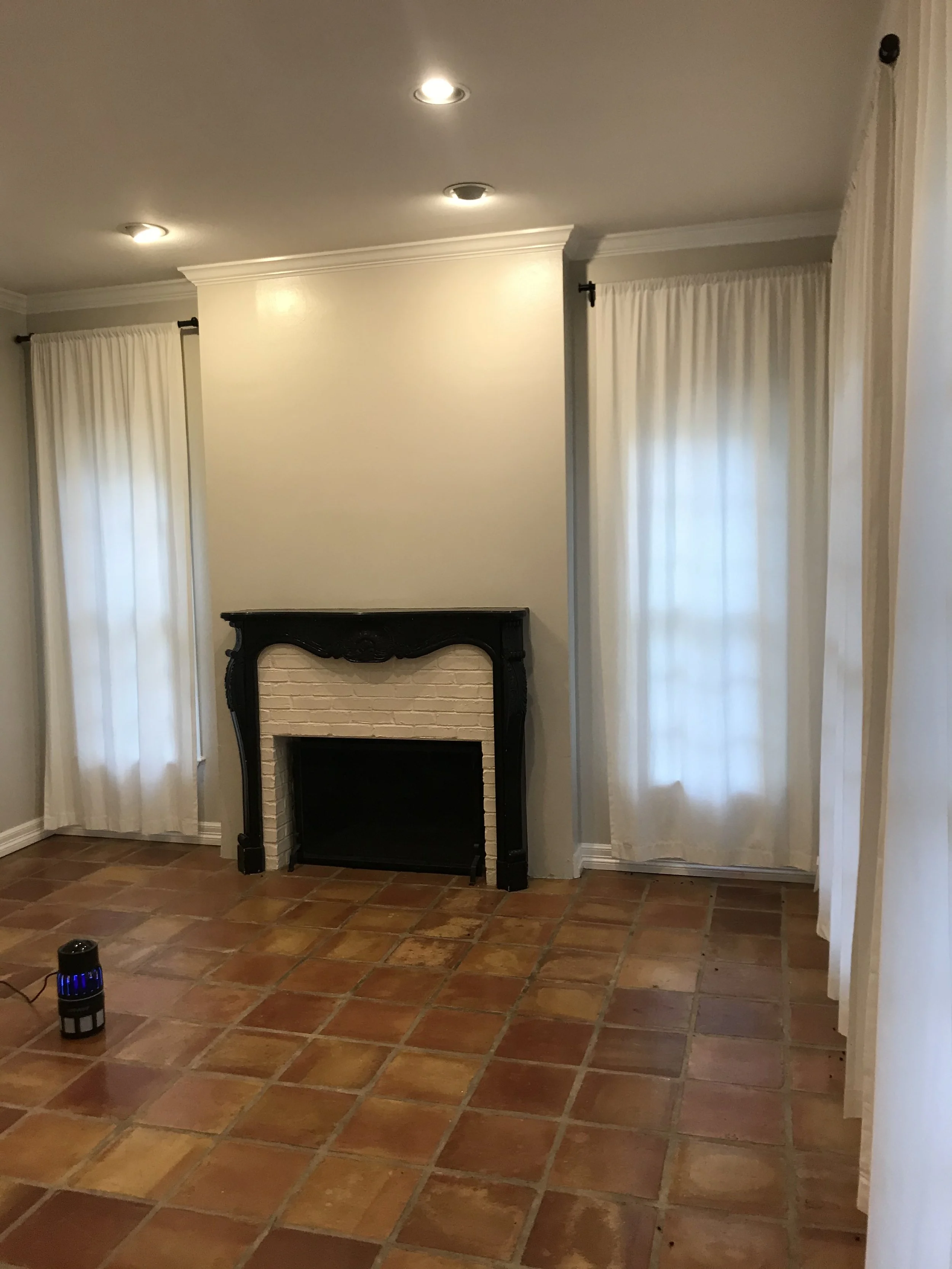
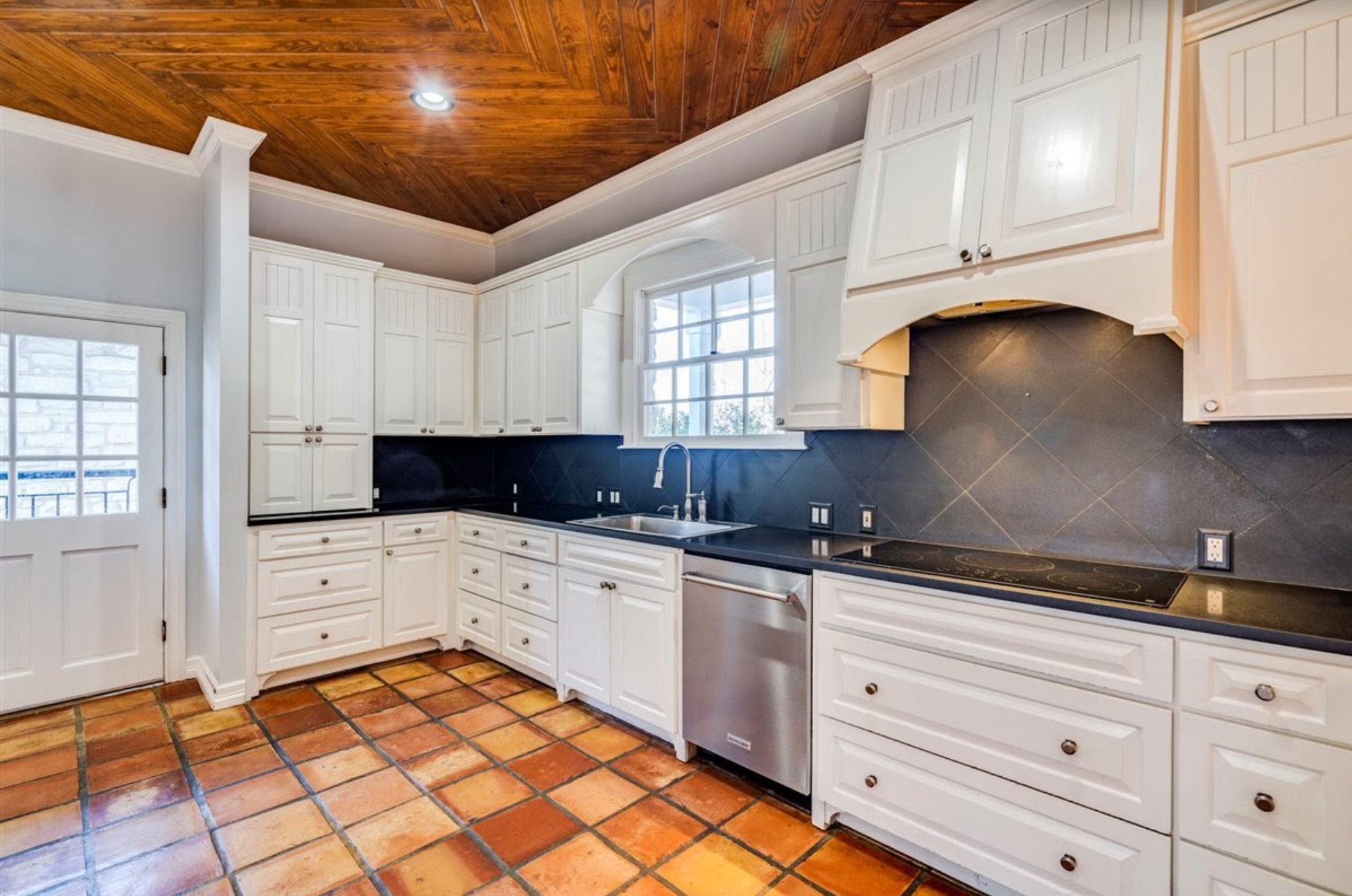
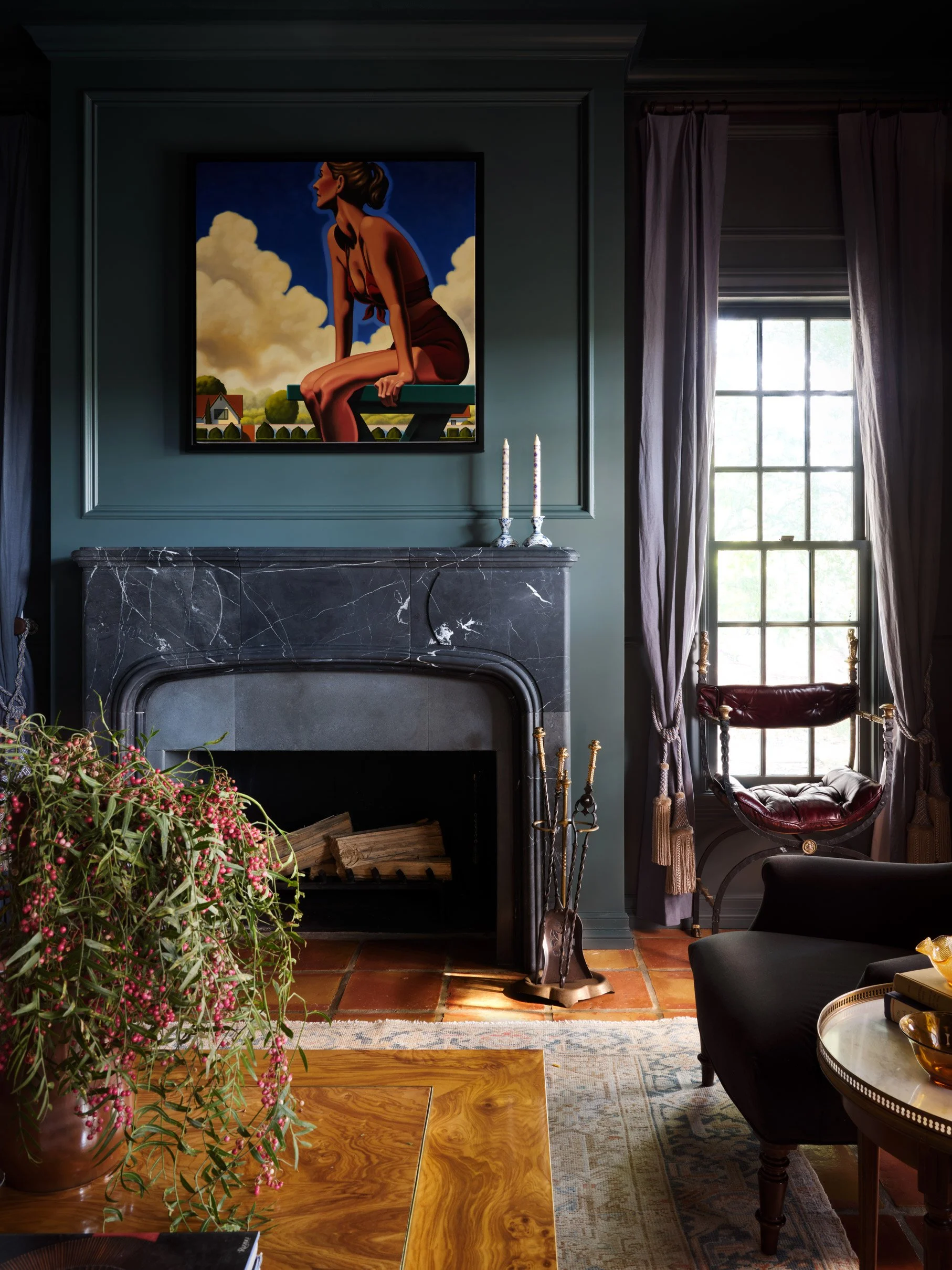

Before + After — Pleasant Cove — See Full Project
So how do we do it? It comes down to a few guiding principles.
First, we start with what’s already there. We define the architectural language of the house—original woodwork, ceilings, floors—and document it all before making a plan. We do the same with furnishings: clients’ existing pieces are photographed, measured, and thoughtfully incorporated alongside new (or new-to-them) elements.
Second, we stay flexible. Renovations always reveal surprises. As layers are peeled back, new information about a house’s history or construction methods can prompt us to refine the direction. We allow room for that discovery.
Third, we’re willing to break rules. A Victorian-era home doesn’t need to be trapped in a period tableau of tiny chairs, bordered wallpapers, and dim lighting. The challenge is to reference its history in a way that supports contemporary living. That might mean reworking layouts, improving circulation, adding storage, updating systems, or designing custom cabinetry inspired by period details. This is where mixing furniture genres, patterns, antiques, vintage, and contemporary pieces becomes meaningful rather than performative. We have the opportunity to relocate and reuse elements worth saving; trim, mouldings, millwork, etc, can be repurposed in a new room rather than get tossed in a dumpster.
What we don’t do is chase trends. Trends can be fun, but they’re a poor foundation, especially when the original reference is not understood (or known). Following them often means undoing them later. Take the open-plan great room: many homeowners who enthusiastically knocked down every wall are now realizing they don’t actually want to create an all-in-one family space and are learning that they actually don’t want to see and hear everything and everyone at the same time, all the time. Thoughtful consideration of how people live and what the house wants or needs might have saved them from another expensive renovation.
Finally, we embrace imperfection. Timeless interiors are lived in. They’re functional, comfortable, and built for all generations. They can handle a little wear, a little mess. That’s real life.
Personal touches add depth and tell a story. Breathing new life into old things is about intention, not nostalgia. It’s about knowing what to keep, what to refine, and what to let evolve. Often, the most lasting designs are the ones that never tried too hard to be new in the first place.